Pierre-François Glénarvan

Definition and stakes

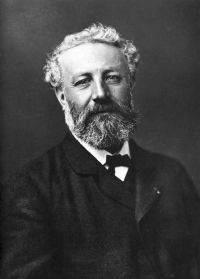
Portrait of Jules Verne Jules Verne In Search of the Castaways

It was eight o'clock in the morning.
Glenarvan and his companions, revived by the aid of the major, gradually recovered consciousness. Indeed, they had only undergone a severe giddiness. The mountain was descended, and they would have applauded a means of locomotion which had been entirely at nature's expense, if one of the feeblest, Robert Grant, had not been missing. Every one loved the courageous boy: Paganel was particularly attached to him; the major, too, in spite of his coldness; but especially Glenarvan.
Source: Gutenberg

Portrait of Jules Verne Jules Verne In Search of the Castaways; or Captain Grant's Children… (1911)

When they reached the spot the bird was dead, and the body of Robert was quite concealed beneath his mighty wings. Glenarvan flung himself on the corpse, and dragging it from the condor's grasp, placed it flat on the grass, and knelt down and put his ear to the heart.
But a wilder cry of joy never broke from human lips, than Glenarvan uttered the next moment, as he started to his feet and exclaimed:
"He is alive! He is still alive!"
Source: Wikisource

Portrait of Jules Verne Jules Verne In Search of the Castaways; or Captain Grant's Children… (1911)

To mistake a railway or to take the train to Edinburgh when you want to go to Dumbarton might happen; but to mistake a ship and be sailing for Chili when you meant to go to India-- that is a blunder indeed!
"However," said Lord Glenarvan, "I am not much astonished at it in Paganel. He is quite famous for such misadventures. One day he published a celebrated map of America, and put Japan in it! But for all that, he is distinguished for his learning, and he is one of the best geographers in France."
"But what shall we do with the poor gentleman?"
Source: Wikisource

Get perspective with Kwize: daily news enlightened by great literature