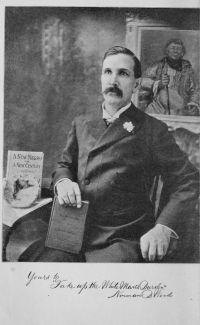
Popayán, a city in Colombia’s Cauca department, stands as a historically significant urban center, established in 1537 by Spanish conquistador Benalcazar. Situated near the Cauca River’s source, it has been described as a scenic yet difficult place, characterized by volcanic terrain and seismic hazards. Authors like Harry Alverson Franck highlight its rough streets and social challenges, while Sir Richard Henry Bonnycastle underscores its prosperity and strategic location.
Pascual de Andagoya points out its links to nearby communities, and the 1911 Encyclopædia Britannica emphasizes its political importance and susceptibility to earthquakes. These diverse viewpoints collectively portray Popayán as a meeting point of history, culture, and natural challenges, reflecting its lasting presence in South American narratives.
 Harry Alverson Franck,
Vagabonding down the Andes
Harry Alverson Franck,
Vagabonding down the Andes