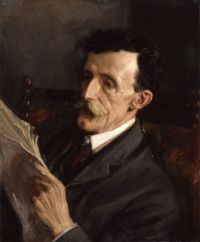
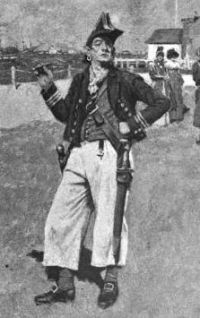
Thomas Smith

Definition and stakes

Lucy Aikin,  Memoirs of the Court of Queen Elizabeth

“ No statesman of the age bore a higher character than sir Thomas Smith for rectitude and benevolence, and nothing of the wiliness and craft conspicuous in most of his coadjutors is discernible in him. There was one foible of his day, however, from which he was by no means exempt: on certain points he was superstitious beyond the ordinary measure of learned credulity in the sixteenth century. ”
Source: Gutenberg

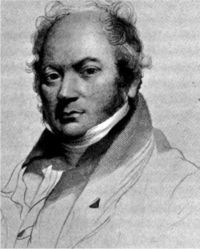
Portrait of John Thomas Smith John Thomas Smith,  A Book for a Rainy Day; or, Recollections of the Events of the Years 1766-1833

“ Sixty-seven years later, the man who had entered thus hurriedly into the world left it with almost equal unexpectedness in his house, No. 22 University Street, after holding for seventeen years the post of Keeper of the Prints at the British Museum.
As a writer John Thomas Smith takes no high rank; but he is a delightful gossip, full of his two subjects: London and Art. We know him when he exclaims to a visitor in the Print Room, “What I tell you is the fact, and sit down, and I’ll tell ye the whole story.” Smith’s narrative manner is always that: “Sit down, and I’ll tell ye the whole story.”
”
Source: Gutenberg

Portrait of John Thomas Smith John Thomas Smith,  A Book for a Rainy Day; or, Recollections of the Events of the Years 1766-1833

“ Stephen’s Chapel for the enlargement of the House of Commons, attracted Smith’s attention, and, after making careful copies of these relics, he projected his Antiquities of Westminster.
In February 1806, Smith published an etching of the scene on the Thames when Nelson’s remains were brought from Greenwich to Whitehall. He tells us that on showing it to Lady Hamilton she swooned in his arms. The plate is inscribed: “Published February 15, 1806, by John Thomas Smith, at No. 36 Newman Street.” This house remains unaltered.
”
Source: Gutenberg

Get perspective with Kwize: daily news enlightened by great literature