Benjamin West

Definition and stakes

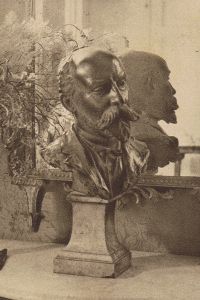
Portrait of John McLure Hamilton John McLure Hamilton,  Men I Have Painted (1921)

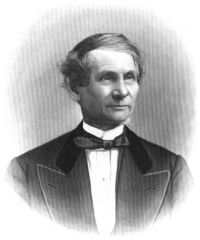
“ I well remember an engraved portrait of Benjamin West that hung in the dining-room of my father's house. It was placed opposite an engraved portrait of Washington, after the painting by Gilbert Stuart. My father was an admirer of West and his work, and in this way showed his respect and esteem for a great American.
The third Quaker is Joseph Pennell. He, like West, has found in England and in Europe a more congenial field for the exercise of his talents; but in spite of his long residence in London, unlike West he has remained an American and, above all, a Philadelphian.
”
Source: Wikisource

Flora L. Carpenter,  Stories Pictures Tell. Book 8

“ Until his time all art had followed the Greek ideas, the artists using the Greek costumes for figures of men of all periods. West believed we should paint people just as they are, so he dressed his people in the costumes of the day. At first, of course, he was criticized severely, but soon all the artists were following his example. Benjamin West became the founder of a school of his own, to which young artists from both America and England went for help and encouragement. Although he spent the last years of his life in England, Benjamin West always remained a patriotic American. ”
Source: Gutenberg

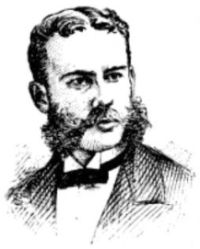
Portrait of Albert Henry Smyth Albert Henry Smyth,  The Philadelphia Magazines and their Contributors 1741-1850

“ We meet the first notice of Benjamin West, as a boy of 19 years, in Bradford's second American Magazine. In the first volume of the Port Folio we find the first of a long series of [Pg 100] sketches in praise of West's genius and generosity. "It is a melancholy and miraculous circumstance," the satirical writer begins, "that this American artist, after experiencing the good fortune to be born and educated in Pennsylvania, should sullenly retreat to England and exchange the glorious privileges of our happy, tranquil and rising Republic for the smoke and servility of the city of London. ”
Source: Gutenberg

Get perspective with Kwize: daily news enlightened by great literature