Preamble to the Constitution of the United States

Definition and stakes

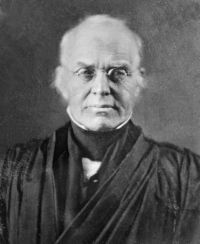
Portrait of Joseph Story Joseph Story Commentaries on the Constitution of the United States (1833)

The preamble never can be resorted to, to enlarge the powers confided to the general government, or any of its departments. It cannot confer any power per se; it can never amount, by implication, to an enlargement of any power expressly given. It can never be the legitimate source of any implied power, when otherwise withdrawn from the constitution. Its true office is to expound the nature, and extent, and application of the powers actually conferred by the constitution, and not substantively to create them.
Source: Wikisource

Portrait of Joseph Story Joseph Story Martin v. Hunter's Lessee — Opinion of the Court

The constitution of the United States was ordained and established, not by the states in their sovereign capacities, but emphatically, as the preamble of the constitution declares, by 'the people of the United States.' There can be no doubt that it was competent to the people to invest the general government [p325] with all the powers which they might deem proper and necessary; to extend or restrain these powers according to their own good pleasure, and to give them a paramount and supreme authority.
Source: Wikisource

Portrait of Joseph Story Joseph Story Commentaries on the Constitution of the United States (1833)

The people of any state cannot, then, by any alteration of their state constitution, destroy, or impair that supremacy. How, then, can they do it in any other less direct manner? Now, it is the proper function of the judicial department to interpret laws, and by the very terms of the constitution to interpret the supreme law. Its interpretation, then, becomes obligatory and conclusive upon all the departments of the federal government, and upon the whole people, so far as their rights and duties are derived from, or affected by that constitution.
Source: Wikisource

Get perspective with Kwize: daily news enlightened by great literature