Reform Party of Canada

Definition and stakes

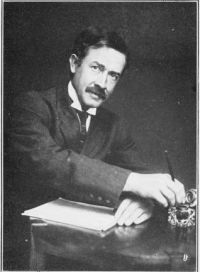
Alexander Brady Thomas D'Arcy McGee (1925)

In his mind the Reform party existed primarily to establish representation by population. A ministry that failed to accomplish this was no reform government. "Better a thousand times," thundered the Globe, "had it been that the Cartier-Macdonald government with all its wickedness should have been recalled than that so many leading men of the Liberal Opposition should have sacrificed their principles and destroyed the moral influence which they justly possessed with the electors of Upper Canada."
Source: Gutenberg

Samuel Thompson Reminiscences of a Canadian Pioneer for the last Fifty Years…

Responsible Government was not an issue between Canadian Reformers and Tories in any sense; but exclusively between the Colonies and the statesmen of the Mother Country. On several occasions prior to Mackenzie's Rebellion, Tory majorities had affirmed the principle; and Ogle R. Gowan, an influential Orangeman, had published a pamphlet in its favour. Yet some recent historians of Canada have fallen into the foolish habit of claiming for the Reform party all the good legislation of the past forty years, until they seem really to believe the figment themselves.
Source: Gutenberg

George H. Ham Reminiscences of a Raconteur, Between the '40s and the '20s

Hon. George Brown, of the Globe, the leader of the Reform party, was standing. The riding had always been staunchly Reform and had returned Oliver Mowat and other Reformers by sweeping majorities. In an election two years previously Hon. T. N. Gibbs, of Oshawa, the Independent Liberal candidate, had joined hands with Sir John Macdonald, whose coalition with Hon. George Brown had not been long-lived, and won. This election was to be a test one, and upon its result depended whether the new Canada should be under Liberal-Conservative or Reform rule.
Source: Gutenberg

Get perspective with Kwize: daily news enlightened by great literature