René Goulaine de Laudonnière

Definition and stakes

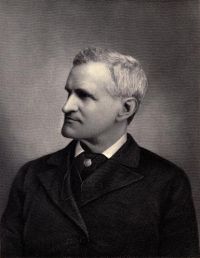
Portrait of William Gilmore Simms William Gilmore Simms The Lily and the Totem; or, The Huguenots in Florida

Laudonniere was silent.
“You do not speak! Beware, René Laudonniere. We have no tender mercies! We are no children! We are ready for any crime. We have already incurred the worst penalties, and have- 183 - nothing to fear. But you can serve us, living, quite as effectually as if dead. We do not want your miserable fortress. We are not for founding colonies.
Source: Gutenberg

Portrait of Samuel de Champlain Samuel de Champlain Narrative of a Voyage to the West Indies and Mexico in the Years 1599-1602

Fortunately, the survivors were picked up by an English ship and carried to England.
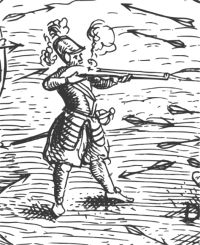
In 1564 René de Laudonnière was sent to Florida by Admiral de Coligny. He sailed on the 22nd of April, and duly arrived at the Rivière de Mai, where he built a fort, which he named La Caroline, rechristened by the Spaniards "San Matteo." As in the case of Captain Albert, a conspiracy was formed against Laudonnière, his men mutinied, and threatened to kill him if he would not allow them to go to sea and pillage the Virgin Islands and the coast of St. Domingo: Laudonnière was forced to consent.
Source: Gutenberg

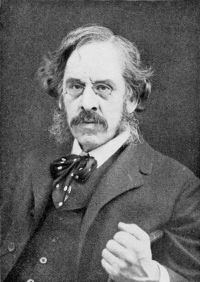
Portrait of William Gilmore Simms William Gilmore Simms The Lily and the Totem; or, The Huguenots in Florida

It is perhaps fortunate that no greater number had been left, since, in all probability, the same want of watch and caution by which the fortress had been lost, would have equally been shown, with any numbers, under such an easy commandant as Laudonniere, and in the particular circumstances which had taken place. Of these prisoners many were women and children. We have seen that Laudonniere succeeded in rescuing some twenty persons. Several had fled to the forests and taken shelter with the tribes of neighboring Indians.
Source: Gutenberg

Get perspective with Kwize: daily news enlightened by great literature