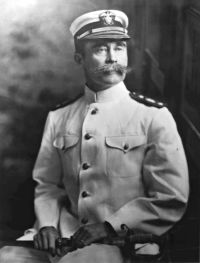
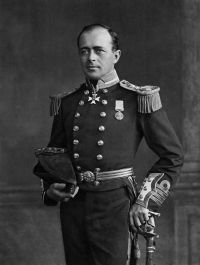
Robert Falcon Scott (1868–1912), a British Royal Navy officer and explorer, is renowned for leading two significant Antarctic expeditions: the Discovery (1901–04) and the ill-fated Terra Nova (1910–13). His quest for the South Pole, accomplished in January 1912, highlighted both his scientific aspirations and the dangers of polar exploration. Writers such as Sir Clements Markham praised Scott’s “heroic and noble death,” underscoring his commitment to duty, while Robert E.
Peary acknowledged his scientific achievements and the unfortunate conclusion of his last journey. Scott’s own accounts, including Scott’s Last Expedition, illustrate his leadership in the face of hardship, portraying the severe beauty of Antarctica and the tenacity of his team. Contemporary evaluations weigh his legacy, acknowledging his pioneering zeal and the debates around his choices, ultimately portraying him as a multifaceted individual whose influence persists in polar history.