Sabians

Definition and stakes

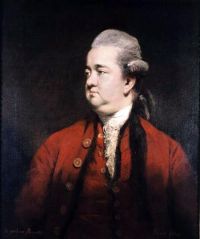
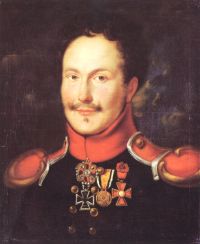
Portrait of Ernest Renan Ernest Renan,  An Essay on the Age and Antiquity of the Book of Nabathæan Agriculture (1862)

“ The real Sabians, the as-Sábiún of the Koran, were an Aramaic or Syro-Chaldæan race, on the borders of Persia, inhabiting the banks of the Tigris and the Euphrates. These heathen had El-Hasaih as the founder of their religion. He is the Ἠλχασαί of Hippolytus, the Elkesai of Theodoretus, and the Ἠλξαί or Ἠλξαίος of Epiphanius, and taught the doctrine of two principles in the Creation, a male and a female, active and passive power, mind and matter. ”
Source: Wikisource

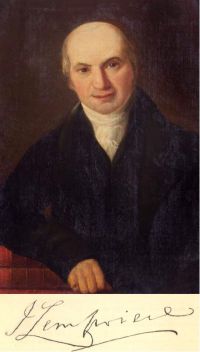
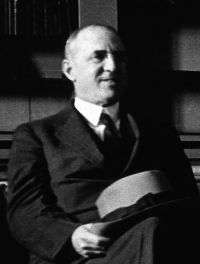
Portrait of Lynn Thorndike Lynn Thorndike,  A History of Magic and Experimental Science… (1923)

“ As a matter of fact, he was a heathen or pagan, a member of the sect of Sabians, whose chief seat was at his birthplace, Harran.
The Sabians.
The Sabians appear to have continued the paganism and astrology of Babylonia, but also to have accepted the Agathodaemon and Hermes of Egypt, [2658] and to have had relations with Gnosticism and Neo-Platonism. They seem to have laid especial stress upon the spirits of the planets, [2659] to whom they made prayers, sacrifices, and suffumigations, [2660] while days on which the planets reached their culminating-points [Pg 662] were celebrated as festivals.
”
Source: Gutenberg

Get perspective with Kwize: daily news enlightened by great literature