Sebituane

Definition and stakes

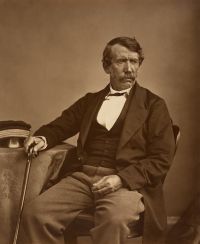
Portrait of David Livingstone David Livingstone,  Missionary Travels and Researches in South Africa

“ Sebituane was about forty-five years of age; of a tall and wiry form, an olive or coffee-and-milk color, and slightly bald; in manner cool and collected, and more frank in his answers than any other chief I ever met. He was the greatest warrior ever heard of beyond the colony; for, unlike Mosilikatse, Dingaan, and others, he always led his men into battle himself. When he saw the enemy, he felt the edge of his battle-axe, and said, "Aha! it is sharp, and whoever turns his back on the enemy will feel its edge." ”

Source: Gutenberg

Portrait of David Livingstone David Livingstone,  Missionary Travels and Researches in South Africa

“ Tlapane, pointing eastward, said, "There, Sebituane, I behold a fire: shun it; it is a fire which may scorch thee. The gods say, go not thither." Then, turning to the west, he said, "I see a city and a nation of black men—men of the water; their cattle are red; thine own tribe, Sebituane, is perishing, and will be all consumed; thou wilt govern black men, and, when thy warriors have captured red cattle, let not the owners be killed; they are thy future tribe—they are thy city; let them be spared to cause thee to build. ”
Source: Gutenberg

Portrait of David Livingstone David Livingstone,  A Popular Account of Dr Livingstone's Expedition to the Zambesi and its Tributaries… (1894)

“ The Makololo are by far the most intelligent and enterprising of the tribes we have met. None but brave and daring men remained long with Sebituane, his stern discipline soon eradicated cowardice from his army. Death was the inevitable doom of the coward. If the chief saw a man running away from the fight, he rushed after him with amazing speed, and cut him down ”
Source: Wikisource

Get perspective with Kwize: daily news enlightened by great literature