Siege of Ladysmith

Definition and stakes

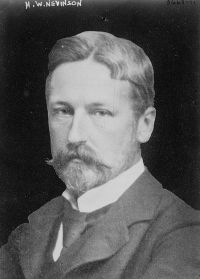
Henry H. S. Pearse,  Four Months Besieged: The Story of Ladysmith

“ The voices of strong men break into childish treble as they try to cheer, women laugh and cry by turns, and all crowd about the troopers of Lord Dundonald's escort, giving them such a welcome as few victors from the battlefield have ever known. The hour of our deliverance has come. After a hundred and twenty-two days of bombardment—a hundred and nineteen of close investment—the Siege of Ladysmith is at an end. What a hero our gallant old General is to all of us, when he rides forward to greet Lord Dundonald, and how voices tremble with deep thankfulness while we sing "God Save the Queen"! ”
Source: Gutenberg

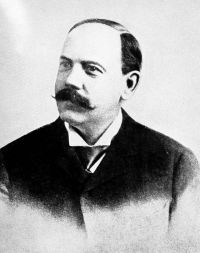
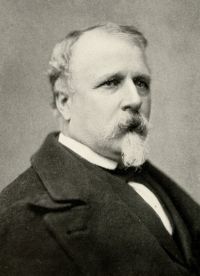
Portrait of Murat Halstead Murat Halstead,  South Africa and the Boer-British War…

“ The siege of Ladysmith began November 2, 1899, the third day after the British disaster at Nicolson's Nek, that is, the affair in which six companies of the Royal Irish Fusiliers marched out with four companies of the Gloucestershire regiment to seize the Nek, seven miles northwest of Ladysmith, and they were caught, the mules stampeded with artillery and ammunition, and the Fusiliers and supports were penned, and there were next day empty camps and the British Empire was shaken. ”
Source: Gutenberg

Portrait of Julian Ralph Julian Ralph,  War's Brighter Side

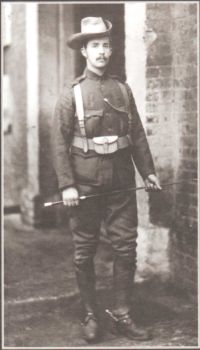
“ As long as they are well watched they cannot do much harm.
Much more could have been gained in Natal immediately after the Imperial troops were surrounded at Ladysmith, by sending a strong commando at once to the "Town Hill" at Pietermaritzburg, and if that commando was not strong enough to offer resistance, on retirement it could have broken up the railway, and thereby the siege of Ladysmith, which is now being prosecuted, would have been a shorter and less troublesome task.
”
Source: Gutenberg

Get perspective with Kwize: daily news enlightened by great literature