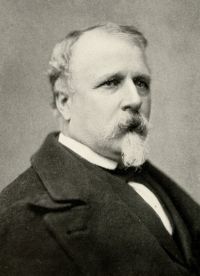
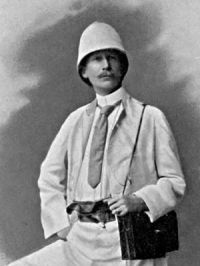
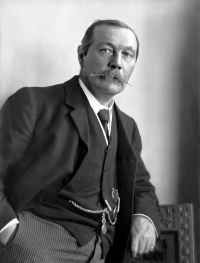
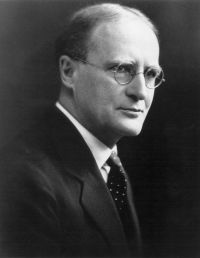
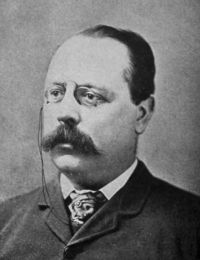
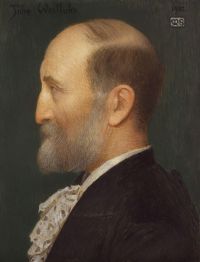
Paul Kruger (1825–1904), a dominant figure in 19th-century South Africa, served as president of the South African Republic (Transvaal) and became the symbolic leader of the Boer resistance against British rule during the Second Boer War. Authors such as W. Basil Worsfold depicted him as an aging, physically diminished figure, while Howard Clemens Hillegas emphasized his resilience and the continuity of Boer military traditions across generations.
Arthur Conan Doyle focused on his political acumen, contrasting his "pious phraseology" with his strategic ruthlessness. These differing portrayals highlight Kruger’s duality: a revered folk hero embodying Afrikaner resistance, yet a resolute guardian of an increasingly outdated order, whose legacy remains linked to both national pride and the contradictions of his time.