
Dysentery

Definition and stakes

Portrait of Sir Gilbert Blane Sir Gilbert Blane,  Observations on the Diseases of Seamen

“ It may be farther added, that dysentery is the latest form in which this cause, which is common to both, can exert itself; for it is a disease more within the reach of art; and some of the most dangerous symptoms attending fevers, particularly delirium, seldom occur in dysentery. When it proves fatal, it is in consequence of violent local affection, and that in general after it has taken a chronic form. When an incipient fever turns into a dysentery, all the symptoms, and particularly the head-ach, delirium, and coma, if there should be any, are immediately relieved. ”
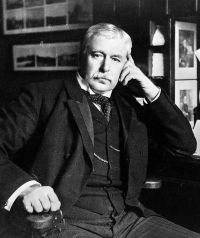
Source: Gutenberg

Portrait of Patrick Manson Patrick Manson,  Tropical Diseases (1919)

“ If called on to treat a case of what appears to be dysentery, our first duty is to assure ourselves that the diagnosis is correct. We must inspect the stools, though unfortunately we cannot differentiate from mere inspection alone to which form the dysenteric stool belongs, and, until the case is quite recovered, we must inspect them daily or frequently. Their condition is the surest guide in the management of this disease. From them we can form a fairly accurate idea of what is going on in the bowel, and from them we can judge of the effects of diet and of drugs. ”
Source: Wikisource

Portrait of Patrick Manson Patrick Manson,  Tropical Diseases (1919)

“ Chronic dysentery.— In a large proportion of cases of acute dysentery the bowel does not become absolutely healthy for a considerable time after abatement of the more urgent symptoms. On the slightest dietetic imprudence, after chill or fatigue, or even slight indulgence in alcohol, the old symptoms reappear. In such cases sudden attacks of diarrhœa are common. Some patients for months, or even years, never pass a perfectly healthy stool, the unformed motion always containing slime or mucopus, and at times blood. ”
Source: Wikisource

Get perspective with Kwize: daily news enlightened by great literature