Spanish colonization of the Americas

Definition and stakes

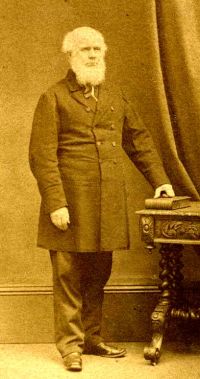
Portrait of Rafael Altamira Rafael Altamira A History of Spain

At the outset there was a period of undoubted prosperity, due in part to a continuation of the favoring legislation of the era of the Catholic Kings, but more particularly to the enormously increased demand resulting from the rapid and extensive colonization of the Americas, whose commerce was restricted by law to favored regions of the Spanish kingdom. The American trade and to some extent the considerable fortunes gained in the colonies themselves provided capital for a yet further expansion of the industrial wealth of the peninsula.
Source: Gutenberg

Portrait of Herbert Eugene Bolton Herbert Eugene Bolton The Colonization of North America…

In treating Spain's part in the New World it has been customary, after recounting the discovery of America, to proceed at once to territory now within the United States—Florida, New Mexico, Texas—forgetting that these regions were to Spain only northern outposts, and omitting the wonderful story of Spanish achievement farther south. This book being a history of the colonization of North America, Spain's great colonies in South America, now powerful nations, fall beyond our geographical limits.
Source: Gutenberg

George Herbert Walker Bush Proclamation 6337

Nevertheless, Americans of Spanish and Latin American descent share a great sense of pride in the deep cultural and historical ties that exist between them.
Rich and varied, the Hispanic American heritage is as old as the story of America itself. Daring Spanish navigators who explored the New World nearly half a millennium ago were the first Europeans to establish settlements in what is now United States territory. In fact, by 1565—almost half a century before British colonists landed at Jamestown—the Spanish had established a permanent settlement at Saint Augustine, Florida.
Source: Wikisource

Get perspective with Kwize: daily news enlightened by great literature