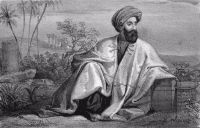
Thomas Pococke

Definition and stakes

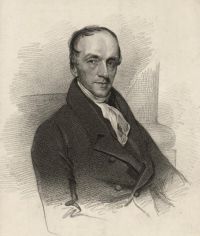
Portrait of Leslie Stephen Leslie Stephen,  Dictionary of National Biography… (1896)

“ In 1637, at Laud's instance (Wood, Athenæ, ed. Bliss, iv. 318) , Pococke again set sail for the east, for the purpose of further study under native teachers, and to collect more manuscripts. This time he travelled with his ‘dear friend’ John Greaves [q. v.] Pococke, besides his fellowship, now possessed private means by the recent death of his father, and probably received some further assistance from Laud, or, through Greaves, from Lord Arundel. Thomas Greaves [q. v.] , ‘lector humanitatis’ (Latin reader) at Corpus, was appointed his deputy in the Arabic lecture during his absence. ”
Source: Wikisource

Portrait of Leslie Stephen Leslie Stephen,  Dictionary of National Biography… (1896)

“ As a pastor he was devoted and indefatigable (Twells, i. 4) ; and when the plague raged at Aleppo in 1634, and many of the merchants fled to the mountains, Pococke remained at his post. Though personally a stranger to him, he had attracted the notice of Laud, then bishop of London, who wrote to him several times with commissions for the purchase of ancient Greek coins and oriental manuscripts (ib. i. 6) ; and, after becoming archbishop of Canterbury and chancellor of the university, Laud offered to appoint him the first professor of the Arabic ‘lecture’ which he was about to found at Oxford. ”
Source: Wikisource

James Augustus St. John,  The Lives of Celebrated Travellers…

“ Though the principal object of Pococke’s travels, perhaps, was the examination of antiquities, and the illustration of ancient geography, he very wisely extended his researches to the modern condition of the country, and the manners of its actual inhabitants. He visited the convents of dervishes and monks, the cells of hermits, the cemeteries of Turks, Jews, and Christians, and observed with care the character and costume of every class of the population, from the sovereign bey to the houseless courtesan, who, like Tamar in the Bible, sat by the wayside to inveigle passengers. ”
Source: Gutenberg

Get perspective with Kwize: daily news enlightened by great literature