Thomas Walsingham

Definition and stakes

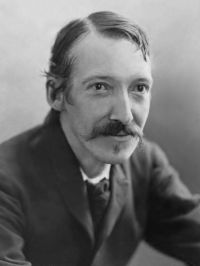
Portrait of Leslie Stephen Leslie Stephen Dictionary of National Biography… (1893)

Walsingham describes Thomas as a man of piety, humility, and patience, homely in dress, austere to himself but kindly to others, and especially to his monks; a learned divine, well acquainted with English, French, and Latin, a good speaker, a bad but rapid writer. In his youth he had delighted in sports, but afterwards, out of his love for animals, came to abhor hunting and hawking. He was withal of a strong and masterful spirit, which, if ill suited to meet the social troubles of his time, enabled him to raise St. Albans to a high pitch of wealth and prosperity.
Source: Wikisource

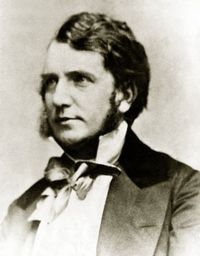
Portrait of Leslie Stephen Leslie Stephen Dictionary of National Biography… (1899)

Thomas Watson wrote a Latin eclogue on Walsingham's death which he entitled ‘Melibœus.’ He translated the poem into English under the title ‘An Eglogue upon the death of the Right Honorable Sir Francis Walsingham.’ Both the Latin and the English version were published in 1590, the Latin being dedicated to Walsingham's cousin, Thomas Walsingham, and the English one to Walsingham's daughter Frances, lady Sidney. In the poem Walsingham figures under the pastoral name of Melibœus, his daughter appears as Hyane, and his cousin Thomas Walsingham as Tityrus.
Source: Wikisource

Get perspective with Kwize: daily news enlightened by great literature