Tories (British politics)

Definition and stakes

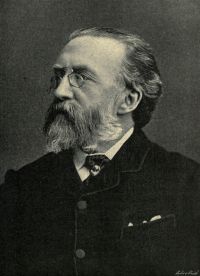
William Harris,  The History of the Radical Party in Parliament (1885)

“ Men began to have some practical conception that the Tories thought it their duty to govern the people (for their good) as a disposable property; that the Whigs thought it their duty to govern as trustees of the nation, according to their own discretion; and that there were persons living, and effectually moving in the world of politics, who thought that the people ought to govern themselves through the House of Commons. ”
Source: Wikisource

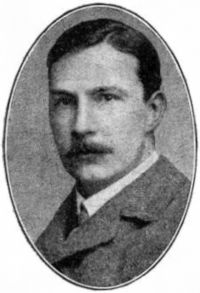
Portrait of Alfred Farthing Robbins Alfred Farthing Robbins,  Practical Politics; or, the Liberalism of To-day

“ In the days before the mass of the people were a real power in the affairs of the State, this difference was very clearly marked, for the Tories then were under no necessity to conceal their belief that the “common herd” were not to be trusted in political concerns. And it is useful, as showing what the high Tory doctrine on this point really was, to recall the fact that a judge on the bench, less than a century ago, in summing up at a political trial, laid it down as a doctrine not to be questioned that “a government in every country should be just like a corporation ”
Source: Gutenberg

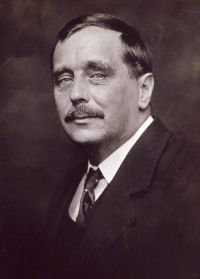
Walter Lyon Blease,  A Short History of English Liberalism… (1913)

“ The most consistent of all the Tories was Windham, a country gentleman of considerable learning and practical good sense, and the intimate friend of Pitt. He began his political career as a Whig, but turned Tory after the outbreak of the Revolution, and died without a shred of Whiggery left to him, except a qualified dislike of the Slave Trade. He seldom lost an opportunity of depreciating the common people, and of excluding them from politics. ”
Source: Wikisource

Get perspective with Kwize: daily news enlightened by great literature