Widsith

Definition and stakes

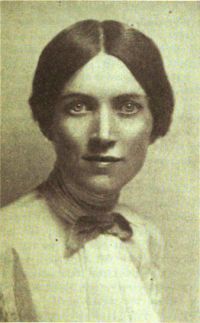
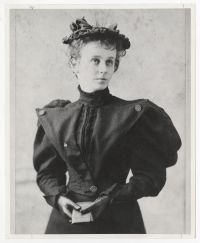
Portrait of Jeannette Augustus Marks Jeannette Augustus Marks,  Early English Hero Tales

“ Then little Widsith's master was called up, and Widsith placed the harp for him. Clear rose the song from the scôp's lips, and all the company was still. For a while they forgot the monster which, even now with the falling dusk, was striding up from the sea, perhaps by the same path Beowulf and Widsith and the scôp had come. Already it had grown dark under heaven and darker in the Hall, and the place was filled with shadowy shapes. ”
Source: Gutenberg

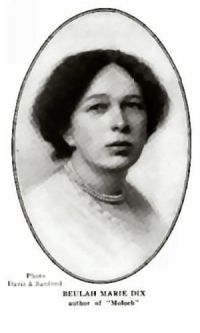
Portrait of Andrew Lang Andrew Lang,  History of English Literature from "Beowulf" to Swinburne

“ Probably an Anglo-Saxon minstrel would recite the poem called "Widsith," and then the listeners would ask him for any of the stories which he had mentioned, perhaps for one about Ælfwine; or Alexander the Great; or Sigurd of the Volsungs, who slew the Serpent-Man, Fafnir; or of Hygelac (who is believed to have been the man named, in Latin, Chochilaicus, a real king of about 520) ; or of Hrothgar, whom Widsith mentions. This king is befriended by Beowulf, in the great Anglo-Saxon poem of that name, the noblest and most famous of all these old songs. ”
Source: Gutenberg

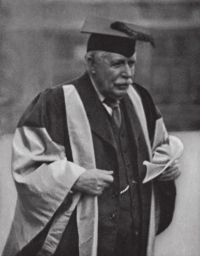
R. W. Chambers,  Beowulf: An Introduction to the Study of the Poem with a Discussion of the Stories of Offa and Finn

“ And from Widsith it is clear that the rule of Hrothgar and Hrothulf at Heorot and the attack of the Heathobeardan upon them, rather than any story of monster-quelling, was what the old poets more particularly associated with the name of Heorot. The passage in Widsith runs:
"For a very long time did Hrothgar and Hrothwulf, uncle and nephew, hold the peace together, after they had driven away the race of the Vikings and humbled the array of Ingeld, had hewed down at Heorot the host of the Heathobeardan."
”
Source: Gutenberg

Get perspective with Kwize: daily news enlightened by great literature