Abolition of the slave trade

Definition and stakes

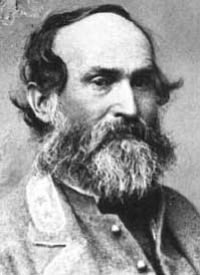
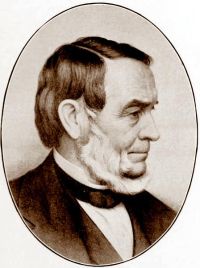
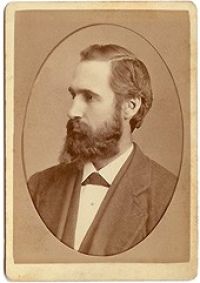
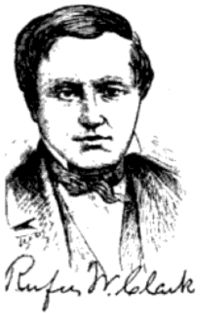
Portrait of Rufus Wheelwright Clark Rufus Wheelwright Clark The African Slave Trade (1880)

Indeed, it was the influence of these very opinions, and the persevering efforts of these heroes, that secured the passage of the law for the abolition of the slave trade.
Having just emerged from the contest to secure American liberty, the inconsistency of upholding the slave traffic was too glaring not to be seen by every honest mind. And, at that time, under the tuition of the great American struggle, the hostility to slavery was national, and the pro-slavery spirit was local, and mainly confined to those having a pecuniary interest in slaves.
Source: Wikisource

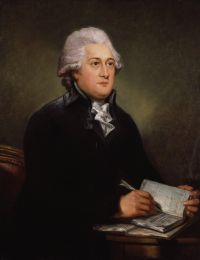
Portrait of Thomas Clarkson Thomas Clarkson The History of the Rise, Progress and Accomplishment of the Abolition of the African Slave-Trade…

Why should we any longer persist in introducing those latent principles of conflagration, which, if they should once burst forth, might annihilate the industry of a hundred years? which might throw the planters back a whole century in their profits, in their cultivation, and in their progress towards the emancipation of their slaves? It was our duty to vote that the abolition of the Slave Trade should be immediate, and not to leave it to he knew not what future time or contingency.
Source: Gutenberg

Get perspective with Kwize: daily news enlightened by great literature