Boundary (cricket)

Definition and stakes

Cricket (1903)

“ Cape Town and Port Elizabeth are the only two cricket grounds in South Africa which can boast of a grass out-field; all the other grounds are absolutely innocent of a blade of grass, being nothing, indeed, but a brown-reddish sand—somewhat like the colour of the sand on the sea-shore—rolled into a flat and hard surface. The matting is stretched on this sand, and makes a hard, true, and very fast wicket, while the ball, once past a fielder, simply flies to the boundary. ”
Source: Wikisource

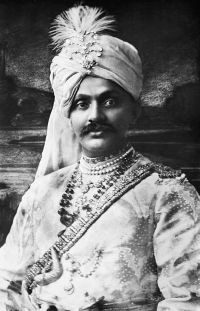
Portrait of Ranjitsinhji Vibhaji II Ranjitsinhji Vibhaji II,  The Jubilee Book of Cricket (1897)

“ The senior ground, and indeed the others, are formed terrace-fashion on what used to be rather a severe slope, at least for the purposes of cricket. As it is, the main ground is somewhat circumscribed in dimensions, and a big hit is sure to pass the border; but the wicket is in every way admirable, and the surroundings delightful. It may be added that the edge of the terrace is reckoned a boundary, so that hits for seven or eight, common on the similar ground at Marlborough, are impossible. ”
Source: Wikisource

Cricket (1903)

“ And one should bear in mind that the quicker one starts in that pursuit, the more likely is that boundary to be saved, especially as to gauge the decrease in the pace of the ball is a most difficult matter. Grounds too must be taken into consideration, for it does not follow that a boundary which one might save at Birmingham would be saved at Brighton. When you are attempting to save a boundary by pursuing the ball, never try to seize the ball too soon, for you are only more likely to miss it altogether, and your chase to be rendered futile. ”
Source: Wikisource

Get perspective with Kwize: daily news enlightened by great literature