Bunchgrass

Definition and stakes

Lewis Ankeny McArthur,  Oregon Historical Quarterly

“ Bunchgrass Creek, Wasco County. This stream is in the extreme northwest part of the Warm Springs Indian Reservation, and flows into Warm Springs River. There are a number of geographic features in Oregon named for the bunchgrass, a valuable natural forage of the eastern part of Oregon. Charles V. Piper lists two varieties; festuca ovina ingrata, the blue bunchgrass of the prairies, which is densly tufted and agropyron spicatum, the wheat bunchgrass which is taller and grows generally on dry hills. ”

Source: Wikisource

Raymond John Pool,  Popular Science Monthly (1912)

“ In certain portions of the region over restricted areas this species really becomes dominant and the bunchgrasses then play only a subordinate part in the floral covering. The dagger weed reaches its best development on the south and west exposures, although it is by no means confined to these slopes. The sand is often blown away from the roots for many inches beneath the rosette of bristling leaves, and yet the plant continues to thrive. ”
Source: Wikisource

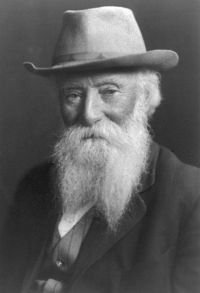
Portrait of Mark Twain Mark Twain,  Roughing It, Part 1

“ The sage-brush is a singularly hardy plant, and grows right in the midst of deep sand, and among barren rocks, where nothing else in the vegetable world would try to grow, except "bunch-grass."— ["Bunch-grass" grows on the bleak mountain-sides of Nevada and neighboring territories, and offers excellent feed for stock, even in the dead of winter, wherever the snow is blown aside and exposes it; notwithstanding its unpromising home, bunch-grass is a better and more nutritious diet for cattle and horses than almost any other hay or grass that is known—so stock-men say.] ”
Source: Gutenberg

Get perspective with Kwize: daily news enlightened by great literature