Down (American football)

Definition and stakes

Paul W. Bryant,  Building a championship football team (1960)

“ As far as football players are concerned, the ordinary ball carrier will try to make a touchdown, but he will be satisfied with a five or six yard gain. The champion athlete, the All-American back, is dissatisfied when he fails to score. He is always going for the opposition’s goal line. The ball carrier actually does not succeed in his objective unless he runs for a touchdown on every play (except for occasional tactical situations) , and he should never be made to feel he has accomplished his objective unless he scores. ”
Source: Gutenberg

Paul W. Bryant,  Building a championship football team (1960)

“ It’s a game of young men with big shoulders and hard muscles. It’s also a game of old pros, such as, 38-year-old Charlie Conerly quarterbacking the New York Giants to a football championship.
Football is popcorn, cokes, banners and cigaret smoke. It’s people standing for the kick-off, lap blankets, pacing coaches, penalties and melodious alma maters.
Football is a game of surprises. The big guy everybody picks in pre-season as All-American fizzles out. But a kid nobody ever heard of scores the winning touchdown and a star is born.
”
Source: Gutenberg

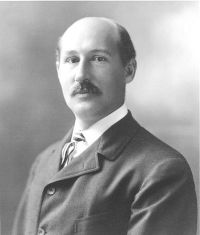
Portrait of Walter Camp Walter Camp,  American Football

“ The snap-back and quarter-back play soon defined these two positions, and shortly after the individual rush line positions became distinct, both as regards location and duties. All this was an era of development of general play with but few particular combinations or marks of [Pg 119] strategy. If a man made a run, he made it for the most part wherever he saw the best chance after receiving the ball, and he made it unaided to any degree by his comrades. If the ball was kicked, it was at the option of the man receiving it, and the forwards did not know whether he would kick or run. ”
Source: Gutenberg

Get perspective with Kwize: daily news enlightened by great literature