Merchant shipping

Definition and stakes

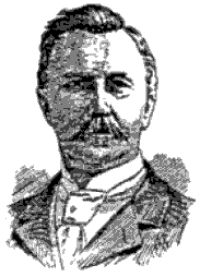
Portrait of Arthur Hamilton Clark Arthur Hamilton Clark,  The Clipper Ship Era (1911)

“ The primary reason for the existence of a merchant ship is, of course, her ability to pay her way and earn money for her owners. When a ship ceases to be able to do this, the sooner she is converted into a hulk or broken up, the better. So the true measure of a nation's merchant marine is its earning capacity, not merely the number or tonnage of its ships; and judged by this standard, the merchant marine of the United States was at this time far in advance of the merchant shipping of the whole British Empire. ”
Source: Wikisource

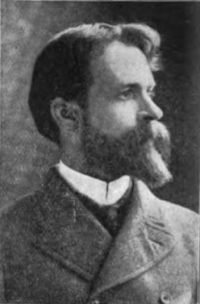
W. S. Lindsay,  History of Merchant Shipping and Ancient Commerce… (1874)

“ State of British merchant shipping, temp. George I.
War, as we have too frequently seen, is a terrible obstacle to all industrial pursuits, and to no branch of commerce—however much a certain class of shipowners may have realised by having their vessels employed as government transports—is it a greater source of [Pg 211] lasting injury than to the mercantile marine.
”
Source: Gutenberg

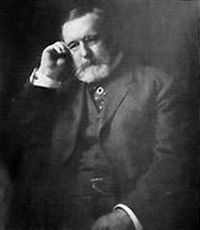
Portrait of Ralph Delahaye Paine Ralph Delahaye Paine,  The Old Merchant Marine: A Chronicle of American Ships and Sailors

“ In the three years after 1789 the merchant shipping registered for the foreign trade increased from 123,893 tons to 411,438 tons, presaging a growth without parallel in the history of the commercial world. Foreign ships were almost entirely driven out of American ports, and ninety-one per cent of imports and eighty-six per cent of exports were conveyed in vessels built and manned by Americans. Before Congress intervened, English merchantmen had controlled three-fourths of our commerce overseas. ”
Source: Gutenberg

Get perspective with Kwize: daily news enlightened by great literature