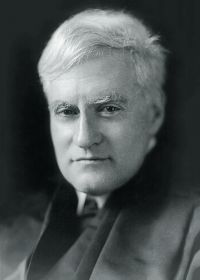
The concept of a shipowner encompasses the legal, economic, and ethical obligations of those who oversee maritime operations, balancing commercial goals with responsibilities toward cargo, crew, and regulatory systems. Authors such as W. S. Lindsay critiqued the competitive pressures faced by shipowners, while Nathan Clifford focused on their legal obligations within maritime law.
John Marshall Harlan II emphasized the responsibility to guarantee a seaworthy vessel, and Joseph Walton outlined the shipowner’s role in advocating for both the interests of the ship and its cargo. From economic studies to judicial decisions, these viewpoints highlight a recurring theme centered on the interaction of trade, safety, and responsibility at sea.