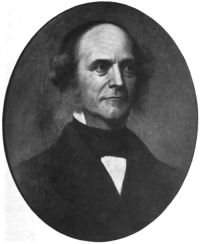
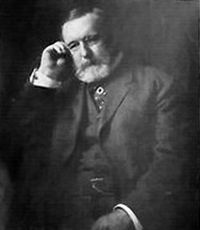
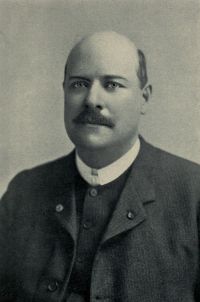
Seaworthiness denotes a vessel’s ability to navigate maritime challenges safely, encompassing structural soundness, navigational readiness, and compliance with legal requirements. Authors have examined this theme from various perspectives: William Howard Taft emphasized its context-dependent nature, noting that standards adjust to "varying exigencies of mercantile enterprise." A. Hyatt Verrill contrasted it with speed, suggesting that seaworthiness might be secondary in competitive maritime pursuits.
David Pollock underscored its intricate governance, involving insurers, regulators, and shipowners in a shared duty. Meanwhile, William Wood praised the sea’s role as a "great purveyor of the world's commodities," highlighting humanity's dependence on navigational skill. These viewpoints collectively reveal seaworthiness as a multifaceted concept connecting technical, legal, and economic aspects of maritime activity.
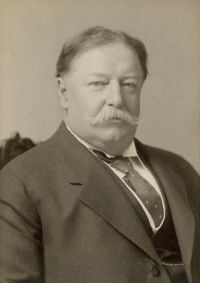 William Howard Taft,
Compania De Navegacion Interior v…
William Howard Taft,
Compania De Navegacion Interior v…