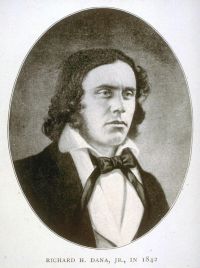
An anchorage is a maritime location where vessels can securely lower their anchors, providing protection from weather and hazards. Unlike moorings, which depend on buoys, anchorages are influenced by natural factors such as depth, sheltered coastlines, and appropriate seabeds. Authors like Richard Henry Dana portrayed anchorages as essential waypoints for trade, while Ewart Alan Mackintosh emphasized their symbolic role as places of safety.
Roy J. Snell highlighted Anchorage, Alaska, as both a geographical and narrative center, and Effendi Shoghi mentioned it as a site of spiritual importance. These diverse viewpoints illustrate the anchorage’s dual purpose: a practical necessity for navigation and a symbol of stability, reflecting its lasting significance in maritime and literary contexts.
 Ewart Alan Mackintosh,
War, the Liberator, and Other Pieces
(1918)
Ewart Alan Mackintosh,
War, the Liberator, and Other Pieces
(1918)