Ruffianism

Definition and stakes

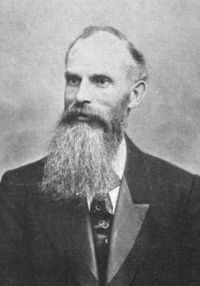
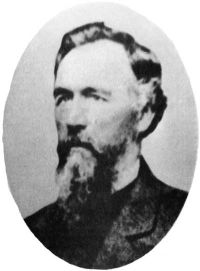
Portrait of Alexander Majors Alexander Majors,  Seventy Years on the Frontier

“ It was the prevalent opinion, previous to the time I started across the plains, that none but daring, rough men were fit to contend with the Indians and manage teamsters upon those trips. I soon proved to the entire contrary this was a great mistake, for it was soon observable that both men and animals working under this system were superior, and got along better in every way than those working under the old idea of ruffianism.
It is my firm conviction that where men are born commanders or managers there is no need of the cruelty and punishment so often dealt out by so many in authority.
”
Source: Gutenberg

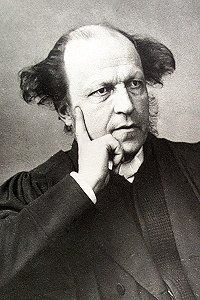
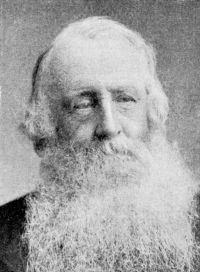
Portrait of Edward A. Freeman Edward A. Freeman,  The Reign of William Rufus and the Accession of Henry the First… (1882)

“ In Robert sheer love of cruelty displaced even greediness; he refused ransom for his prisoners that he might have the pleasure of putting them to lingering deaths. [490] The received forms of cruelty blinding and mutilation, were not enough for him; he brought the horrors of the East into Western Europe; men, and women too, were left at his bidding to writhe on the sharp stake. [491] Distrustful of all men, artful, flattering, courteous of speech, his profession of friendship was the sure path to destruction. [492] The special vices of William Rufus are not laid to his charge ”
Source: Gutenberg

Portrait of Edward A. Freeman Edward A. Freeman,  The Reign of William Rufus and the Accession of Henry the First… (1882)

“ We have not grasped the likeness of the real man, unless we remember that the man whose crimes and vices the popular picture has not exaggerated, carried with him through life a sentimental standard of filial duty and reverence, and a knightly conscience, if the phrase may pass, as quick to speak and as sure to be obeyed as the higher conscience of Anselm or Helias. Without fully taking this in, we shall not easily understand the twofold light in which Rufus looked to the men of his own age, in whose eyes he clearly was not wholly hateful. ”
Source: Gutenberg

Get perspective with Kwize: daily news enlightened by great literature