Summary

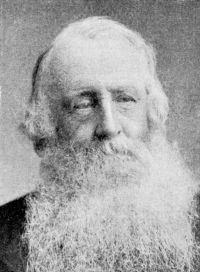
Portrait of Edward A. Freeman Edward A. Freeman The Reign of William Rufus and the Accession of Henry the First… (1882)

The holy Anselm at home, the valiant Helias beyond the sea, are the men with whom Rufus has to strive. And the saint of Aosta, the hero of La Flèche, are men who of themselves are enough to draw our thoughts to the times and the lands in which they lived. Each, in his own widely different way, stands forth as the representative of right in the face of a power of evil which we still feel to be not wholly evil. All light is not put out, all better feelings are not trampled out of being, when evil stands in any way abashed before the presence of good.
Source: Gutenberg

Portrait of Edward A. Freeman Edward A. Freeman The Reign of William Rufus and the Accession of Henry the First… (1882)

In fighting for William against the men who had risen up against him, they would be fighting for one who had not himself wronged them against the men who had done them the bitterest of wrongs. If the Bishop of Bayeux and the Bishop of Coutances, if Robert of Mortain and Robert of Mowbray, if Eustace of Boulogne and the fierce lord of Bellême, could all be smitten down by English axes or driven into banishment from the English shores, if their estates on English soil could be again parted out as the reward of English valour, the work of the Norman Conquest would indeed seem to be undone.
Source: Gutenberg

Portrait of Edward A. Freeman Edward A. Freeman The Reign of William Rufus and the Accession of Henry the First… (1882)

The men of that age, stained as many of them were with great crimes—​perhaps all the more because their crimes were of a kind which they could not help feeling to be crimes—​commonly kept enough of conscience and good feeling to admire in others the virtues which they failed to practise themselves. William Rufus himself had moments when goodness awed him. It was only a few exceptional monsters like the fiend of Bellême whom no such feelings ever touched. His love for England. Anselm became the idol of all the inhabitants of England, without distinction of age or sex, of rank or race.
Source: Gutenberg

Get perspective with Kwize: daily news enlightened by great literature