Shaduf

Definition and stakes

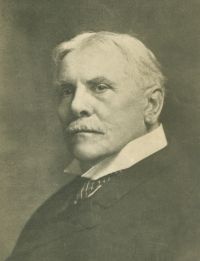
Portrait of A. H. Sayce A. H. Sayce,  The archæology of the cuneiform inscriptions (1908)

“ The shadûf, which is still used in Upper Egypt, can be traced back pictorially to the time of the Eighteenth dynasty, but the basin system of irrigation with which it was connected was already of immemorial antiquity. It is a simple yet most effective invention, and on that account perhaps the less likely to have been independently invented, for it is always the obvious which remains longest unnoticed. In the modern shadûf a long pole is laid across a beam which is supported at either end upon other poles or on pillars of brick or mud ”
Source: Gutenberg

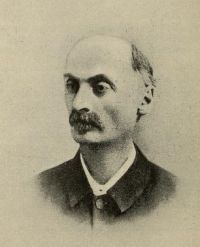
Portrait of George Meredith George Meredith,  The Shaving of Shagpat — The Burning of the Identical (1909)

“ Now, upon that the King of the City cried, 'Be the will of Allah achieved, and the inviolacy of Shagpat made manifest! Thou barber, thou! do thy worst to contaminate him, and take the punishment in store for thee. And if it is written thou succeed, then keep thy filthy life: small chance of that!'
Baba Mustapha remembered the poet's words:
The abyss is worth a leap, however wide,
When life, sweet life, is on the other side.
And he controlled himself to the mastery of his members, and stepped forward to essay once more the Shaving of Shagpat.
”
Source: Wikisource

Palestine Exploration Fund,  Palestine Exploration Fund - Quarterly Statement for 1894 (1894)

“ Such are called شَدّاد‎ shaddad, plural شَدّادين‎ shaddadeen, from شدِ‎, to gird, to bind, to prepare or make ready; and each shaddad receives an allotment of land according to the number of faddan he intends to employ. Thus one man receives an allotment of land for one faddan, another for two faddan, and so on. Sometimes the land is divided into half faddan for such a villager who only owns one ox. Two villagers owning one ox each work together on one plough drawn by the pair of oxen—one day on the land allotted to the one, and the next day on the land allotted to the other. ”
Source: Wikisource

Get perspective with Kwize: daily news enlightened by great literature