Spur (equestrian)

Definition and stakes

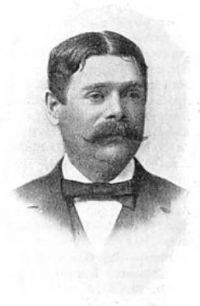
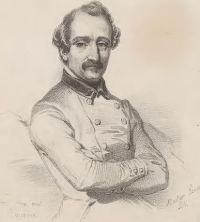
Portrait of François Baucher François Baucher,  New Method of Horsemanship

“ The spurring ought to be done, not violently, and with much movement of the legs, but with delicacy and management. The rider ought to close his legs so gradually, that before coming in actual contact with the horse's flanks, the spur will not be more than a hair's breadth off, if possible. The hand should ever be the echo to the light touches with which we commence; it should then be firmly held, so as to present an opposition equal to the force communicated by the spur. ”
Source: Gutenberg

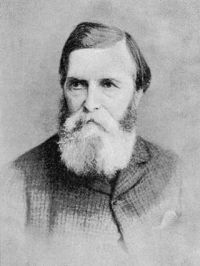
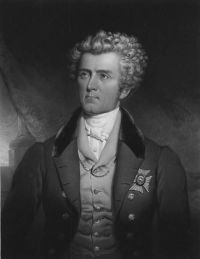
Portrait of Sir Francis Bond Head Sir Francis Bond Head,  The Horse and His Rider

“ When brought into condition, and then encouraged to compete against68 each other, their physical strength, though artificially raised to the maximum, remains far behind their instinctive courage and disposition to go till they die, in almost any service in which they may be employed.
Under these circumstances, the use of the spur is to enable man to maintain his supremacy, and, whenever necessary, promptly and efficiently to suppress mutiny in whatever form it may break out. If a restiff horse objects to pass a particular post, he must be forced to do so.
”
Source: Gutenberg

Mrs. Power O'Donoghue,  Ladies on Horseback

“ A rowel spur, with five long and sharp prongs—in fact, a jockey's spur—is a much more severe instrument than is required for ordinary riding, either by man or woman, and the advantage of the ladies' bore spur is, that it can only be applied when intended, and then is quite sufficiently severe. I have no objection to ladies, who are good horsewomen, wearing a spur, and using it, too, as severely as necessary, but I have great objections to any unnecessary pain or annoyance being given to my friends, the horses. ”
Source: Gutenberg

Get perspective with Kwize: daily news enlightened by great literature