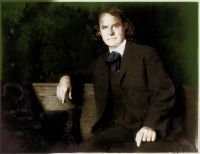
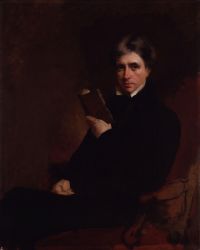
The stagecoach, a horse-drawn conveyance used for delivering mail and transporting passengers, appeared in France around 1800 as a replacement for the malle-charrette, offering improved suspension and increased speed. Writers like Archer Butler Hulbert discussed its symbolic significance, questioning whether it represented advancement or decline, while William Makepeace Thackeray idealized its fading age in Vanity Fair, recalling its "fabulous" horses and dramatic departures.
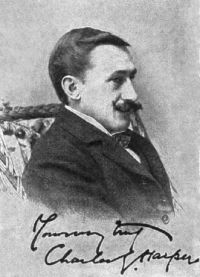
Alice Morse Earle examined its social aspects, from the dangerous games at toll gates to the drivers’ attentiveness to passengers, contrasting it with the impersonal nature of modern travel. Charles G. Harper praised its ability to carry both people and cargo, illustrating human innovation, whereas George Athelstane Thrupp pointed out its design shortcomings and the risks involved in its journeys. These differing viewpoints highlight the stagecoach’s dual function as a technological object and a cultural landmark, connecting the practical and the poetic during a time of transition toward railway travel.
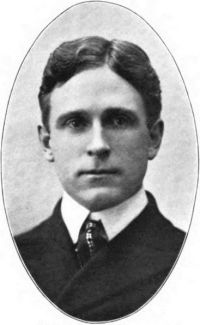 Archer Butler Hulbert,
Pioneer Roads and Experiences of Travelers…
(1902-05)
Archer Butler Hulbert,
Pioneer Roads and Experiences of Travelers…
(1902-05)