Theological virtue

Definition and stakes

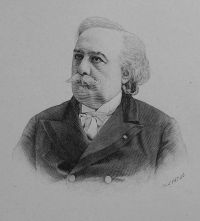
Portrait of Hector France Hector France,  The Grip of Desire: The Story of a Parish-Priest

“ But was not he a respectable priest and respected by all, a minister of God, a leader of the holy flock, a pastor of men, and yet....
How then? where is virtue?
"Virtue," answered that voice which we have within ourselves, that voice odious to hypocrites and deceivers, which the Church calls the Devil's voice, and which is the voice of reason. Virtue? Of which do you speak, fool? Without counting the three theological, there are fifty thousand kinds of virtues.
”

Source: Gutenberg

Charles J. Callan,  Moral Theology

“ The theological virtues are those that perfect the intellect and the will with reference to God, their ultimate, supernatural object. They are three: (a) faith, which is a virtue infused into the intellect, giving man supernatural truths that are perceived by a divine light; (b) hope, which is a virtue infused into the will, enabling man to tend towards the supernatural destiny disclosed by faith as towards an end possible of attainment; (c) charity, which is a virtue infused into the will, uniting man’s affections to the object of his hope and transforming him into its likeness. ”
Source: Gutenberg

Archibald B. D. Alexander,  Christianity and Ethics: A Handbook of Christian Ethics

“ Faith, hope, and love have been called the theological virtues. But if they are to be called virtues at all, it must be in a sense very different from what the ancients understood by virtue. These apostolic graces are not elements of the natural man, but states which come into being through a changed moral character. They connect man with God, and with a new spiritual order in which his life has come to find its place and purpose. They were impossible for a Greek, and had no place in ancient Ethics. ”
Source: Gutenberg

Get perspective with Kwize: daily news enlightened by great literature