Tulip mania

Definition and stakes

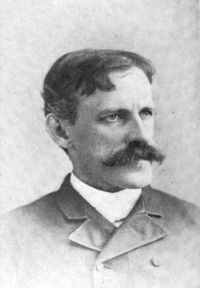
William R. Hooper,  The Tulip Mania (1876)

“ But that a whole nation should grow mad over bulbs, that the industry of a people should be turned aside from the pursuits of agriculture to that of horticulture, and that the mania should spread from the phlegmatic Dutchman to the phlegmatic Englishman, seems almost incredible. Yet in the beginning of the seventeenth century the desire for tulips had so spread over Europe that no wealthy man considered his garden perfect without his rare collection of tulips. ”
Source: Wikisource

William R. Hooper,  The Tulip Mania (1876)

“ Nobles, citizens, farmers, mechanics, footmen, and even chimney-sweeps dabbled in tulips. Houses and lands were offered at ruinously low rates that their proceeds might be invested in bulbs that were expected to return a golden crop. To a certain extent the mania did spread beyond the borders of Holland, and money began to flow in from all directions. The prices of the necessaries of life rose, and houses and lands, horses and carriages, and luxuries of every sort rose with the rise of tulips: all commerce rested on a flower bed. ”
Source: Wikisource

William R. Hooper,  The Tulip Mania (1876)

“ Stock-jobbers, ever alert for new subjects of speculation, dealt largely in tulips. As in all speculative movements, at first every thing rose and every body gained. Tulip jobbers gambled on the rise and fall of bulbs, making large profits by buying when prices were low and selling when they rose. Many individuals grew suddenly rich. It was believed that this mania for flowers was to spread to other lands, and that the wealthy of all nations would send to Holland for tulips, paying whatever prices horticulturists might ask. ”
Source: Wikisource

Get perspective with Kwize: daily news enlightened by great literature