Waistcloth

Definition and stakes

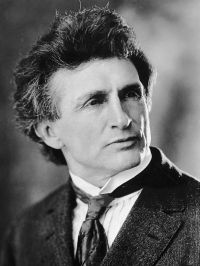
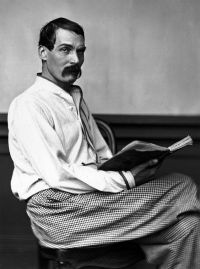
Portrait of Sir Richard Francis Burton Sir Richard Francis Burton,  Wanderings in Three Continents

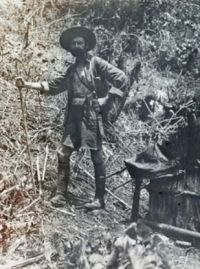
“ We then put on the attire which seems to be the obsolete costume of the ancient Arabs. It consists of two cotton cloths, each six feet long by three or four feet wide, white, with narrow red stripes and fringes—​in fact, that adopted in the Turkish baths of London. One of these sheets is thrown over the back and is gathered at the right side, the arm being left exposed. The waistcloth extends like a belt to the knee, and, being tucked in at the waist, supports itself. The head is bared to the rabid sun, and the insteps, which must also be left naked, suffer severely. ”
Source: Gutenberg

Butterick Pattern Company,  The New Dressmaker (1921)

“ Long overblouses when in style are very good, because they have plenty of size at the waistline. Surplice waists, especially when they are made with sashes, adapt themselves to your changing figure with the tying of the sash. Waists with soft fulness when they are used as part of a dress made with a soft skirt should be joined to the skirt before either the waist or the top of the skirt is gathered. A casing should be placed at the waistline and the fulness of both the waist and skirt drawn in with the same drawstring. ”
Source: Wikisource

Various,  Scientific American Supplement…

“ Was it because big-waisted women were so frequently fat and forty, old and ugly? A young girl had no waist, and did not need stays. As the figure matured the hips developed, and it was this development which formed the waist. The slightest artificial compression of the waist destroyed the line of beauty. Therefore, the grown woman should never wear stays, and, since they tended to weaken the muscles of the back, the aged and weak should not adopt them. A waist really too large was less ungraceful than a waist too small. Dress was designed partly for warmth and partly for adornment. ”
Source: Gutenberg

Get perspective with Kwize: daily news enlightened by great literature