Will (psychology)

Definition and stakes

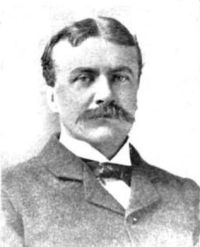
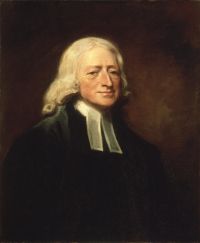
Portrait of Josiah Royce Josiah Royce,  The Conception of God (1897)

“ It is this aspect of the ultimate situation which defines the world as a Whole, and which, without introducing an external cause, or a mere force, does as it were colour the whole unity of the Absolute Consciousness with a new character, namely, the character of Will. As psychology already knows, the will, even in us, is no third “power of the mind.” It is an aspect of our consciousness, pervading every fact thereof, while especially connected with and embodied in certain of the facts of our inner lives. ”
Source: Wikisource

William James,  Psychology: Briefer Course

“ To sum it all up in a word, the terminus of the psychological process in volition, the point to which the will is directly applied, is always an idea. There are at all times some ideas from which we shy away like frightened horses the moment we get a glimpse of their forbidding profile upon the threshold of our thought. The only resistance which our will can possibly experience is the resistance which such an idea offers to being attended to at all. ”
Source: Gutenberg

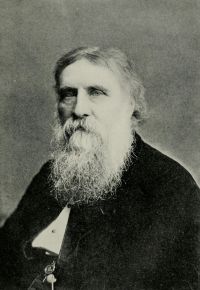
William James,  The Principles of Psychology, Volume 2…

“ Desire, wish, will, are states of mind which everyone knows, and which no definition can make plainer. We desire to feel, to have, to do, all sorts of things which at the moment are not felt, had, or done. If with the desire there goes a sense that attainment is not possible, we simply wish; but if we believe that the end is in our power, we will that the desired feeling, having, or doing shall be real; and real it presently becomes, either immediately upon the willing or after certain preliminaries have been fulfilled. ”
Source: Gutenberg

Get perspective with Kwize: daily news enlightened by great literature