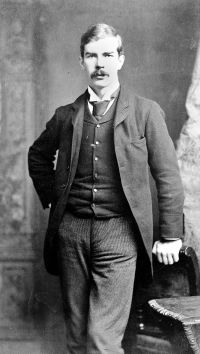
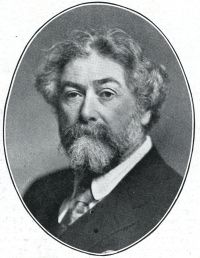
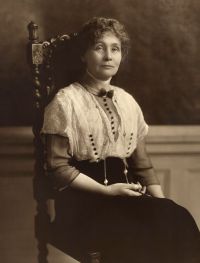
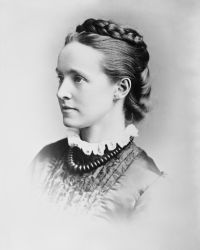
Woman suffrage, the movement advocating for women's right to vote, emerged as a pivotal force in reshaping political landscapes. Supporters such as Ida Husted Harper viewed it as a means of empowerment, claiming that the ballot transforms women into "a vital force" expressing their own will. Opponents like Almroth Wright argued that women, as a class, lacked the ability to make sound political judgments.
Others, like Isaac Newton Stevens, maintained that it was crucial for national unity, condemning a society "half enfranchised and half irresponsible." These debates highlighted suffrage's role as both a moral necessity and a strategic instrument, ultimately reshaping democratic institutions through sustained advocacy.
 Ida Husted Harper,
The Life and Work of Susan B. Anthony…
Ida Husted Harper,
The Life and Work of Susan B. Anthony…