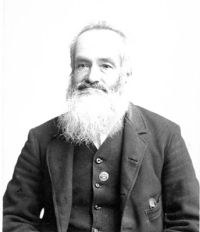
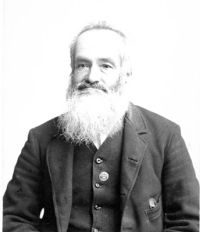
Aḥmad ibn Yaḥyá al-Balādhurī

Biographical details

Aḥmad ibn Yaḥyá al-Balādhurī The Origins of the Islamic State (1916)

Ṣâliḥ's father was one of the captives of Sijistân. Through Zâdân Farrûkh, Ṣâliḥ was acquainted with al-Ḥajjâj, who found him acceptable. One day Ṣâliḥ said to Zâdân, "Thou art the means by which I became acquainted with the governor; and I see that he has found me acceptable. I, therefore, do not wonder if he should promote me over thee, in which case thou wouldst fall." "Never believe that," answered Zḥâdân; "he has more use for me than I for him, because none but myself can be found to keep his books." "By Allah," retorted Ṣâliḥ, "if thou so desire, I could change the accounts into Arabic."
Source: Wikisource

Aḥmad ibn Yaḥyá al-Balādhurī The Origins of the Islamic State (1916)

Ibn-ʿÂʾishah at-Taimi from umm-Hâni:—Fâṭimah, the Prophet's daughter, called on abu-Bakr and asked: " Who will inherit thee when thou art dead?" to which he replied, "My son and family." "Why then," asked she, "hast thou—and not we—inherited the Prophet's possessions?" "Daughter of Allah's Prophet," answered abu-Bakr, "by Allah, I have inherited from thy father neither gold nor silver, neither this nor that." " But," said she, "thou hast inherited our share in Khaibar and our ṣadaḳah in Fadak."
Source: Wikisource

Aḥmad ibn Yaḥyá al-Balādhurī The Origins of the Islamic State… (1916)

He once wrote to ʿAmr ibn-al-ʿÂṣi, "It has become revealed that thou ownest commodities, slaves, vases and animals which thou didst not possess when thou wert made governor of Egypt." ʿAmr wrote back, "Our land is a land of agriculture and trade; we, therefore, get as income more than what is necessary for our expenses." To this, ʿUmar replied, "I have had enough experience with the wicked ʿâmils. Thy letter is the letter of one disturbed because justice has been meted out to him.
Source: Wikisource

Get perspective with Kwize: daily news enlightened by great literature