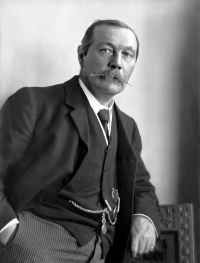
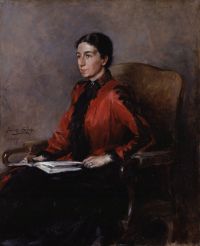
“ After a hoarse scream a machine-gun begins to crackle, rending both air and men.It is all one vast intermittent hurly-burly, lightning flashing low down, V-shaped sheaves of red fire. And all is, each time, unexpected, cruelly inconsequent, magnificent and devastating.Thousands of men are there, and thousands upon thousands, all over this plain of the Ancre. There they lie, buried in their trenches, their nerves like stretched wire, ready to spring forward on the instant.From here we can see one of the last sectors to be conquered.It is land over which the offensive has passed. ”
Henry Ruffin
Biographical details
Henry Ruffin, a distinctive voice in 20th-century literature, is renowned for his vivid portrayal of war’s visceral reality, most notably in his seminal work The Square Jaw. Through stark, sensory-rich depictions of World War I battlefields—trenches, artillery barrages, and the suffocating mud—Ruffin captures the disorienting chaos and psychological toll of conflict.
His prose contrasts human suffering with nature’s endurance, as seen in the enduring poplars and landscapes that persist amid devastation. Ruffin’s work synthesizes the paradox of war: a realm of senseless destruction and the unyielding resilience of both soldiers and the earth they fight over.
Quotes by Henry Ruffin
“ Commissariat lorries, motor ambulances, artillery ammunition wagons, despatch riders, the motor-cars of the Staff, and then, in the middle of this mad torrent of traffic, some country gig, creeping along at a jog-trot. The roads are a river of mud. We wallow in it frantically; we drown in unsuspected lakes. We suffer the modern equivalent of the punishment of Sodom and Gomorrah. At once we find ourselves being changed into clumsy statues of clay. It is not more cars that are needed to get forward, but those Venetian boats that glide along the canals before the strokes of a curved oar. ”
“ They are the German trenches, dug in the solid chalk at the beginning of the offensive. It is as if someone had made chalk drawings on those slopes to amuse the aeroplanes. In front, following their lines, are walls of sand-bags, so high and so deep that they appear to be a citadel: the English trenches. It is a stiff climb. We hop from puddle to puddle like sparrows. Everywhere the earth is in heaps. Holes filled with water—shell-holes, you understand—have turned the whole place into a chessboard of sunken squares. ”