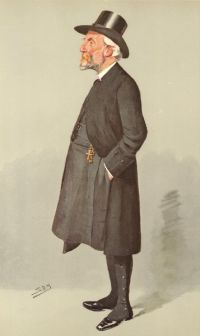
John William Edward Conybeare

Biographical details

John William Edward Conybeare Highways and Byways in Cambridge and Ely

From this point we can grasp it all, and we can feel ourselves in close touch with the builders of yore, with Simeon, and Richard, and Hugh, and Alan, and John; for the work of each is here before our eyes at once. They now rest from their labours, leaving them as a priceless legacy to benefit ourselves and others. Look at Richard's transepts resting on old Simeon's foundations; look at Hugh's lancet windows, at Alan's incomparable lantern, at the Lady Chapel which John was able to build through his finding of that brazen urn.
Source: Gutenberg

John William Edward Conybeare Early Britain—Roman Britain

But the Roman soldier was an adept at entrenching himself. A rampart was hastily thrown up, the galleys beached at the top of the tide and run up high and dry beyond the reach of the surf, the transports swung to their anchors where the ebb would not leave them grounded, the quarters of the various cohorts assigned them, the sentries and patrols duly set; and under the summer moon, these first of the Roman invaders lay down for their first night on British soil.
Source: Gutenberg

John William Edward Conybeare Highways and Byways in Cambridge and Ely

A first glance at the windows produces only the effect of a gorgeous maze of colouring, through which we marvel that any clue should have been found. Next to the general effect of the ineffably harmonious blending of hues, the audacious vividness of the hues themselves, red and green and blue and gold and purple, is what first impresses the eye. Then we notice how, down the central light of each window, stand, one above another, four great figures, human or angelic, each displaying an inscribed scroll.
Source: Gutenberg

Get perspective with Kwize: daily news enlightened by great literature