“ How was I to protect Alan from the contamination I had let him live in? I couldn't preach by example – couldn't hold up his father as a warning, or denounce the money we were living on. All I could do was to disguise the inner ugliness of life by making it beautiful outside – to build a wall of beauty between him and the facts of life, turn his tastes and interests another way, hide the Radiator from him as a smiling woman at a ball may hide a cancer in her breast! Just as Alan was entering college his father died. ”
Alan
Definition and stakes
Alan, a masculine given name of English and Breton origin, originates from the ancient Iranian Alans, renowned for their nomadic heritage. In literature, the name represents a wide range of characterizations, from Edith Wharton’s Alan, wrestling with moral duty, to Grace Aguilar’s young warrior caught between freedom and confinement.
Writers such as George A. Lawrence and Oscar Wilde use the name to delve into emotional distress, moral conflicts, and philosophical challenges. These stories highlight Alan’s adaptability as a means of exploring human struggles, mirroring both individual and societal pressures within diverse literary settings.
Quotes about “Alan”
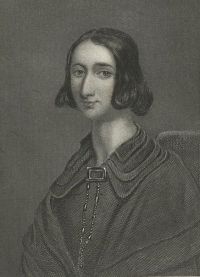 Grace Aguilar,
The Days of Bruce: A Story from Scottish History…
Grace Aguilar,
The Days of Bruce: A Story from Scottish History…
“ Alan was still a boy in years, despite his experience as a warrior, and in the first agony of this discovery, the first dream of chains and captivity, when his young spirit revelled in the thought of freedom, and joyed as a bird in the fresh air of mount and stream, weaving bright hopes, not exile or wandering could remove, his impulse had been to dash his useless sword in anguish to the earth, and weep ”
George A. Lawrence, Barren Honour: A Novel
“ So far as Alan knew, it was a simple case of business which called him away; more than once afterwards he thought it would have been better if he had died that night, with the music of Helen's whisper in his ears, the print of her ripe scarlet lips on his cheek, the pressure of her lithe twining fingers still lingering round his own.Many men, before and since, have thought the same. It is, perhaps, the most reasonable of all the repinings that are more futile than the vainest of regrets. ”