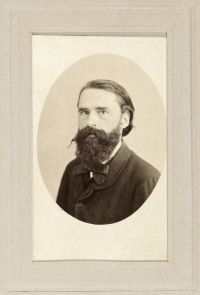
M. Beresford Ryley

Biographical details

M. Beresford Ryley Queens of the Renaissance

No braver letter, nor one more touching in its noble staidness of expression, was ever written by a woman, knowing that in a few hours life would have ceased for her. Two days after writing it she died, and Alphonso wrote after her death that it was hard to face the loss of so sweet a companion, the gentleness of her conduct having made the bond between them a very close and tender one. No single individual can possess the whole round of virtues—a fact too often ignored in current judgment of character—but every writer lingered upon Lucrezia’s gentleness.
Source: Gutenberg

M. Beresford Ryley Queens of the Renaissance

Nature had given her brains and seductiveness. To have both in one person, and then, as crowning grace, to possess a genius for light-heartedness, was more than most women can rely upon in the unceasing labour of retaining a husband’s affectionateness. But Beatrice was bolstered by even more than this. The tastes of husband and wife were similar—Ludovico had no hobbies outside the radius of her understanding. Nevertheless, at twenty she stumbled upon the disheartenment that for most wives lurks about the forties. She could not keep her husband from the charm of other women.
Source: Gutenberg

M. Beresford Ryley Queens of the Renaissance

THE Renaissance in France has not the same degree of charm as the Renaissance in Italy. It misses the radiance and the sense of open-air sweetness that clings to the original movement. The women of the Italian Renaissance were constantly adventuring into the country; the enchantment of the climate lingers in all recollections of them. The Renaissance in France conveys a different impression—one colder, more troubled, more half-hearted. The large frescoed palaces, with their adorable colonnades, are gone, and the sensation given is of a bleaker, darker, and more housed existence.
Source: Gutenberg

Get perspective with Kwize: daily news enlightened by great literature