“ HENRYIf it’s in my mind at all, as I stand here, that she’s a rich woman, it’s because my mind’s so worried, the way business has been, that I’m drove most frantic; it’s because, well—because I’m human; because I can’t help it. [19] ELLA (bitterly) You’re a man! What do you think it’s been for me!SADIE (with arm about Orin) His father didn’t leave much, you all know that, and it’s been scrimp and save till I’m all worn to skin and bone.ELLAJust to the three of us, that would be fair.HENRYJudge! My brother’s name ain’t in her will, is it? Tell me that? Ben’s name ain’t there! ”
Owen Davis
Biographical details

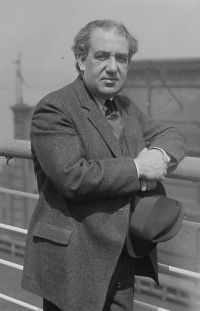
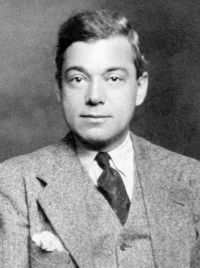
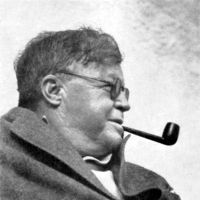
Owen Gould Davis (1874–1956), an American dramatist, authored over 200 plays, earning a Pulitzer Prize for Icebound (1923), which examines moral conflicts and human endurance.
His works, covering stage, film, and radio, frequently addressed societal pressures, family conflicts, and philosophical musings, as seen in Lola and I’d Like to Do It Again. A productive writer who used several pseudonyms, Davis’s legacy rests in his versatility and lasting impact on 20th-century American theater.
Quotes by Owen Davis
“ What is beyond?”“For many years,” answered the Doctor, as he lighted a cigarette and sank back in his chair with a sigh of comfort, “that troubled me, but as I grow older I find myself thinking less of death and clinging fast to life. Death! Bah! It does not frighten me. It may be a vast nothingness, or it may be a step to a higher existence. What does it matter? Our work is here; we have our friends to love, our duty to be done; that is life, and I like it.”“The body dies,” went on Dr. Barnhelm, “but the soul, can that ever die? I doubt it! Every man of us who has a soul must doubt it.” ”
 Owen Davis,
I'd Like to Do It Again
Owen Davis,
I'd Like to Do It Again
“ A play comes to life for the first time when it is played before a wise audience, and their verdict is as a rule both just and final. A good play can take care of itself, and any fool knows a really bad one—when he sees it. Any of us, when we go out and buy a dozen eggs, is likely enough to get a bad one, but we are quick enough to gag over it when we try to eat it. The critic is simply a man who knows a little more, and usually cares a little more, about the theater than the ordinary man of cultivated taste, and he has been trained in a proper manner of expressing himself. ”