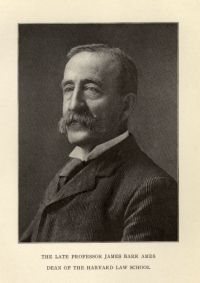
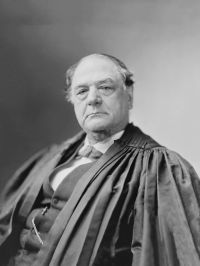
Samuel Wadsworth and Simeon Eben Baldwin

Biographical details

Samuel Wadsworth and Simeon Eben Baldwin 1911 Encyclopædia Britannica (1911)

A vendor, who is the absolute beneficial owner, now conveys expressly “as beneficial owner,” which words, by virtue of the Conveyancing Act 1881, imply covenants by him with the purchaser that he has a right to convey, for quiet enjoyment, freedom from incumbrances, and for further assurance—limited, however, to the acts and defaults of the covenantor and those through whom he derives his title otherwise than by purchase for value.
Source: Wikisource

Samuel Wadsworth and Simeon Eben Baldwin 1911 Encyclopædia Britannica (1911)

Under an open contract a vendor is presumed to be selling the fee-simple in possession, free from any incumbrance, or liability, or restriction as to user or otherwise; and if he cannot deduce a title of the statutory length, or procure an incumbrance or restriction to be removed, the purchaser may repudiate the contract. The preparation of an agreement for sale involves accordingly an examination of the vendor’s title, and the exercise of skill and judgment in deciding how the vendor may be protected against trouble and expense without prejudice to the sale.
Source: Wikisource

Samuel Wadsworth and Simeon Eben Baldwin 1911 Encyclopædia Britannica (1911)

An intending mortgagor is accordingly required to show a title easily marketable, and to verify it at his own cost. A mortgage follows the same general form as a conveyance on sale, the principal points of difference being that the conveyance of the property is preceded by a covenant for the payment of the mortgage money and interest, and followed by a proviso for reconveyance upon such payment, and by any special provisions necessary or proper in the circumstances, such as a covenant for insurance and repairs where the security comprises buildings.
Source: Wikisource

Get perspective with Kwize: daily news enlightened by great literature