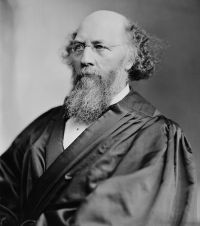
U.S. Superior Court for the Arkansas Territory; Thomas J. Lacy

Biographical details

U.S. Superior Court for the Arkansas Territory; Thomas J. Lacy Lenox v. Notrebe (1834)

An equity is not subject to execution, unless by some particular statute. This principle is too familiar and salutary to require argument or authority to sustain it. Hamilton's legal estate was sold by the sheriff, and Notrebe became the purchaser; and that estate, whatever it may be, the defendants are in law and equity entitled to.
It is difficult to conceive how it can be considered a mortgage, when the complainant does not charge in his bill that it was one, though the defendants treat it in the character of a mortgage in their answer.
Source: Wikisource

U.S. Superior Court for the Arkansas Territory; Thomas J. Lacy Lenox v. Notrebe (1834)

It is a settled principle, that a trustee can gain no benefit by any acts done by him as trustee, but that it shall accrue to him for whom he holds. He is not permitted to become a purchaser of part or the whole of the estate, for which he is trustee for a valuable consideration. Lord Hardwicke determined that a trustee could not buy at a sale by auction, and Lord Eldon has followed that decision.
Source: Wikisource

U.S. Superior Court for the Arkansas Territory; Thomas J. Lacy Lenox v. Notrebe (1834)

Hamilton to convey the property to the children by name, he chose to employ descriptive terms in the conveyance, for fear they might by possibility be injured. Was it by mistake that the term "legal representatives" was used in the conveyance? Certainly not; for he had a full knowledge of all the facts, and even incurred the expense and trouble of consulting counsel upon the subject. It is contended that the conveyance was improperly made. In what way? The court is not aware that a deed or bill of sale can be impeached, except for mistake or fraud.
Source: Wikisource

Get perspective with Kwize: daily news enlightened by great literature