Summary

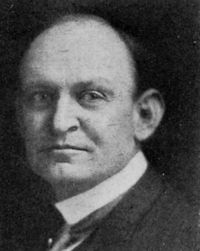
Portrait of A. T. Robertson A. T. Robertson Studies in the Epistle of James

One must not forget Homer’s “winged words,” for words can be laden with messages of joy and life and peace and love. Eloquence has its place, real eloquence of the soul—words on fire that blaze and burn, words that thrill and electrify, words that make life and death noble and high, words like those of Jesus that are spirit and life (John 6:63) . But when all is said, there is something deeper than mere speech, higher than just words, nobler than talk. If speech is silvern, silence is often golden.
Sorrow may be too unutterable for words. Joy may pass beyond all speech.
Source: Gutenberg

Portrait of A. T. Robertson A. T. Robertson Studies in the Epistle of James

The point of James about the size of the ships would apply with far more force today, when modern leviathans of the deep plow the waters. There is now less peril from the stiff winds, but there is all the more ground for wonder that the tiny rudder can control at will the giant of the ocean. The steersman can drive the mighty monster straight upon an iceberg and sink it in a few minutes, as in the crash of the Titanic. Great as the ship is, the silent forces of nature are still greater. Man has not yet mastered all the powers of nature.
Source: Gutenberg

Portrait of A. T. Robertson A. T. Robertson Studies in the Epistle of James

It is enough to discourage any social worker in the slums or in the tenement districts of our cities to see the hopeless conditions in which the victims live. Drugs have fastened some with clamps of steel; drink has fired the blood of others; cigarettes have deadened the will of others; and immorality has hurled still others into the pit. They stumble into the rescue halls, “cities of refuge” in our cities. Happy are those who know how to save souls like these who have known better days and who have gone down into the valley of sin and sorrow.
Source: Gutenberg

Get perspective with Kwize: daily news enlightened by great literature