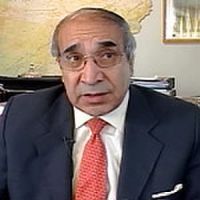
Ali Ahmad Jalali

Ali Ahmad Jalali

Summary

Portrait of Ali Ahmad Jalali Ali Ahmad Jalali The Other Side of the Mountain… (1995)

The Mujahideen were skilled exfiltrators and often small groups of Soviets or DRA guarding the cordon would allow the Mujahideen to escape rather than risk a fire fight at uneven odds. The Soviets resorted to scatterable mines, ground sensors, parachute flares and other technology to prevent escapes, but Mujahideen groups would exfiltrate singly,or in small groups, and regroup outside the encirclement.
Source: Wikisource

Portrait of Ali Ahmad Jalali Ali Ahmad Jalali The Other Side of the Mountain… (1995)

As we came out, we encountered soldiers in the streets. We fought our way to a natural ditch at theedge of the village. We jumped in the ditch and faced in both directions. We all hadAK-47s plus one RPG-7. We fought from this position until 1300 hours.At that time, some Mujahideen units at Kot-e Ashro, about 10 kilo-meters to the southwest, started shelling the area with BM-12 fire.The rockets' explosions forced the enemy away from the south side of the village. We took advantage of this and slipped out of the encirclement through the southern gap and fled to Kot-e Ashro through themountains.
Source: Wikisource

Portrait of Ali Ahmad Jalali Ali Ahmad Jalali The Other Side of the Mountain… (1995)

The area around Musa Qaleh is open, flat tank country and the Soviets were able to move freely around the perimeter of thegreen zone. The Mujahideen field fortifications within the green zoneenabled them to hold on for seven days, but at a very high price. TheMujahideen wanted to control Musa Qaleh for its political value as adistrict capital. The political considerations overrode the military andthe front still kept the bulk of its force there once they had built astrong mountain base.
Source: Wikisource

Get perspective with Kwize: daily news enlightened by great literature