Summary

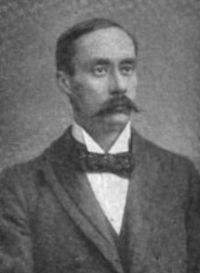
Portrait of C. Lewis Hind C. Lewis Hind The Drawings of Leonardo da Vinci

One authentic portrait of Leonardo by his own hand exists—the red chalk drawing in the library at Turin. Dating from the last years of his life, it shows the face of a seer, moulded by incessant thought into firm, strongly marked lines. The eyes lurk deep beneath shaggy brows, the hair and beard are long and straggling—it is the face of a man who has peered into hidden things and who has pondered deeply over what he discerned.
Source: Gutenberg

Portrait of C. Lewis Hind C. Lewis Hind The Drawings of Leonardo da Vinci

With him the Child is always a child, acting like a child. In a drawing in the British Museum he clutches a protesting cat in his chubby arms, while the mother smiles—the eternal, personal smile of Leonardo that haunted him, as it fascinates us. In another drawing the Child is dipping a chubby hand into a bowl of porridge, and again the Mother smiles—the enigmatic, persisting smile of Leonardo. There are no fewer than twenty-seven drawings of animals on one sheet at Windsor. The majority are cats, but in some instance his imagination has invented a hybrid animal to which no name can be given.
Source: Gutenberg

Portrait of C. Lewis Hind C. Lewis Hind The Drawings of Leonardo da Vinci

Be that as it may, this drawing is a striking example of how, in the hands of a master, the most profuse and detailed decoration can be made subservient to the main theme. The eye follows with delight the exquisite imaginative drawing in armour and helm. Nothing is insistent; nothing is superfluous. Every quaint and curious detail leads up to the firm contour of the face. Leonardo saw the theme as a whole, and the decorator's ingenuity has throughout remained subservient to the artist's vision.
Source: Gutenberg

Get perspective with Kwize: daily news enlightened by great literature