Summary

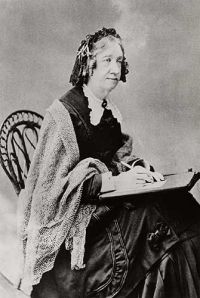
Portrait of Catharine Esther Beecher Catharine Esther Beecher An Appeal to the People in Behalf of Their Rights as Authorized Interpreters of the Bible

I trust other men, as they profess to do—understand this better than I do, and that they have not the anguish of spirit which I have; but I confess, when I look on a world of sinners and of sufferers, upon death-beds and grave-yards, upon the world of woe filled with hosts to suffer for ever; when I see my friends, my parents, my family, my people, my fellow-citizens; when I look upon a whole race, all involved in this sin and danger, and when I see the great mass of them wholly unconcerned, and when I feel that God only can save them and yet that he does not do it—I am struck dumb.
Source: Gutenberg

Portrait of Catharine Esther Beecher Catharine Esther Beecher An Appeal to the People in Behalf of Their Rights as Authorized Interpreters of the Bible

The trembling air is waiting to minister its aid, fanning with cool breezes, or yielding the warmth of spring, sustaining the functions of life, and bearing on its light wing the thoughts that go forth from mind to mind, and the breathings of affection that are given and returned. For this design earth is sending forth her exuberance, the waters are emptying their stores, and the clouds pouring forth their treasures. All nature is busy with its offerings of fruits and flowers, its wandering incense, its garnished beauty, and its varied songs.
Source: Gutenberg

Portrait of Catharine Esther Beecher Catharine Esther Beecher An Appeal to the People in Behalf of Their Rights as Authorized Interpreters of the Bible

In our experience of the moral character of minds in this world, we find that some of the highest grades as to intellect and susceptibilities, are lowest as to good-willing. How is it, then, with the highest mind of all? Does he so prefer evil to good, that he deliberately plans for the production of evil when he has power to produce happiness in its place? Or does he sometimes prefer evil and sometimes good, with the variable humors of the human race? Or does he always prefer good when it costs him no trouble or sacrifice, but never when it does?
Source: Gutenberg

Get perspective with Kwize: daily news enlightened by great literature