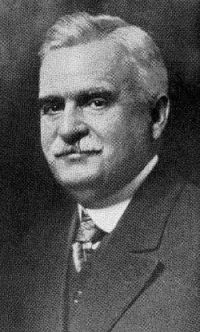
Charles DeLano Hine

Charles DeLano Hine

Summary

Portrait of Charles DeLano Hine Charles DeLano Hine Letters from an old railway official… (1904)

May 22, 1904 My Dear Boy:—The evolution of the relative importance of the several departments in railroad work is an interesting study. The early railroads were short and usually had for president the most important man of affairs in the community, a banker, a lawyer, a publicist, a what-not. Frequently this man could not give his whole time to the road and he leaned heavily upon his superintendent, who, perhaps, had been the engineer in charge of construction.
Source: Wikisource

Portrait of Charles DeLano Hine Charles DeLano Hine Letters from an old railway official… (1904)

We may pity the unfortunate blunderers, just as we may pity a drunkard or a thief, but their usefulness to us should be over. They may start in again, but it must be on some other road. Our duty to the public and to our stockholders demands that the safety of a train should be sacred. One of the most absurd conclusions is to measure the punishment by the amount of damage, according to how straight the track happened to be, according to how hard they happened to hit. Some railroad sins can be forgiven, but drunkenness, chronic or periodic
Source: Wikisource

Portrait of Charles DeLano Hine Charles DeLano Hine Letters from an old railway official… (1904)

The man who could get the business was IT. The traffic man had his inning and, if not president, dictated policies and the amount of his own salary and perquisites. With the growth of the community of interest idea the traffic man is just as important; but he is no longer wreckmaster, and the transportation man is up under the lime light near the derrick car. Between the different dynasties of departments the transportation man, like the rock of ages, is always the standby and always will be.
Source: Wikisource

Get perspective with Kwize: daily news enlightened by great literature