Summary

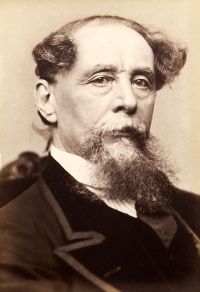
Portrait of Charles Dickens Charles Dickens A Child's History of England — Chapter 22 (1900)

In the picturesque old town of Rouen, where weeds and grass grow high on the cathedral towers, and the venerable Norman streets are still warm in the blessed sunlight though the monkish fires that once gleamed horribly upon them have long grown cold, there is a statue of Joan of Arc, in the scene of her last agony, the square to which she has given its present name. I know some statues of modern times—even in the World's metropolis, I think—which commemorate less constancy, less earnestness, smaller claims upon the world's attention, and much greater impostors.
Source: Wikisource

Portrait of Charles Dickens Charles Dickens A Child's History of England — Chapter 22 (1900)

Bad deeds seldom prosper, happily for mankind; and the English cause gained no advantage from the cruel death of Joan of Arc. For a long time, the war went heavily on. The Duke of Bedford died; the alliance with the Duke of Burgundy was broken; and Lord Talbot became a great general on the English side in France, But two of the consequences of wars are, Famine—because the people cannot peacefully cultivate the ground—and Pestilence, which comes of want, misery, and suffering.
Source: Wikisource

Portrait of Charles Dickens Charles Dickens A Child's History of England — Chapter 22 (1900)

When men unnaturally fight against their own countrymen, they are always observed to be more unnaturally cruel and filled with rage than they are against any other enemy.
But, Lord Clifford had stabbed the second son of the Duke of York—not the first. The eldest son, Edward Earl of March, was at Gloucester; and, vowing vengeance for the death of his father, his brother, and their faithful friends, he began to march against the Queen. He had to turn and fight a great body of Welsh and Irish first, who worried his advance.
Source: Wikisource

Get perspective with Kwize: daily news enlightened by great literature